


Backpacking offers an incredible opportunity to explore the world, immerse yourself in new cultures, and experience adventure, all while keeping costs down. Planning a budget-friendly backpacking trip requires some thought and preparation, but it doesn’t mean you have to sacrifice the quality of your journey. Here are some simple strategies to help you plan the perfect backpacking adventure without breaking the bank.
Set a Realistic Budget
The first step to planning any budget-friendly backpacking trip is determining how much money you’re willing to spend. This includes transportation, accommodations, food, activities, and any other expenses like travel insurance or gear. Setting a realistic budget helps you prioritize your spending and avoid overspending on things that aren’t necessary.
Once you have a rough idea of how much you can spend, break it down by category. For example, allocate a portion of your budget for transportation (flights, buses, trains), daily food expenses, accommodation, and activities. Having a clear budget will allow you to make smarter decisions throughout your trip.
Choose Affordable Destinations
Choosing the right destination is crucial when planning a backpacking trip on a budget. While some countries, like Switzerland or Japan, may be known for their high costs, there are many destinations that are much more affordable, particularly in Southeast Asia, Eastern Europe, and Central America.
Look for countries where the cost of living is lower, so your money will stretch further. In these regions, you’ll find affordable street food, low-cost public transportation, and inexpensive accommodation options. Researching the costs of common expenses like food, transport, and attractions can help you pick the most cost-effective destination.
Travel During Off-Peak Seasons
Traveling during peak tourist seasons can significantly increase your costs, with higher prices for flights, accommodations, and even some attractions. To save money, plan your trip during the off-peak seasons when destinations are less crowded, and prices are lower.
For example, avoid traveling to popular destinations during the summer or holiday seasons. Instead, opt for the shoulder seasons (the time just before or after the high season) when you can still enjoy good weather and fewer crowds but without the inflated prices.
Find Budget-Friendly Accommodations
Accommodation is often one of the biggest expenses on a backpacking trip, but there are plenty of budget-friendly options available. Hostels are a popular choice for backpackers, offering affordable dormitory beds and private rooms. Many hostels also offer social events, communal kitchens, and opportunities to meet fellow travelers.
If you prefer more privacy or longer stays, look into budget guesthouses, Airbnbs, or Couchsurfing, where you can stay with locals for free or at a lower price than hotels. Booking accommodations in advance can also help you find the best deals, particularly during off-peak seasons.
Use Public Transportation
Instead of relying on expensive taxis or private transportation, use public transportation whenever possible. Buses, trains, and local subways are much more affordable than taxis or ride-sharing services. Many cities also offer affordable and reliable public transport networks that make it easy to explore the area on a budget.
When traveling between cities or countries, look for discounted bus or train tickets. Many budget airlines also offer cheap flights, but remember to factor in additional costs like baggage fees. To save money on transport, plan your routes in advance, and book tickets ahead of time to secure the best deals.
Cook Your Own Meals
One of the best ways to save money while backpacking is by cooking your own meals. Eating out for every meal can quickly add up, but with a little planning, you can prepare simple and affordable meals on your own. Many hostels and guesthouses offer communal kitchens where you can cook your own food.
When you’re out and about, buy fresh ingredients from local markets to prepare your meals. Consider simple recipes like pasta, rice dishes, or salads, which are easy to make and inexpensive. This will not only save you money but also give you the opportunity to experiment with local ingredients and flavors.
Take Advantage of Free Activities
You don’t need to spend a lot of money on tours or attractions to have a great backpacking experience. Many cities and destinations offer free or low-cost activities, such as hiking, visiting local parks, or exploring historical sites. Museums, galleries, and cultural centers often offer discounted or free entry on certain days of the week, so be sure to check before you go.
Take advantage of free walking tours, which are a great way to explore a city while learning about its history and culture. Many locals offer free tours in exchange for tips, so you can experience the destination without spending much money.
Pack Light and Smart
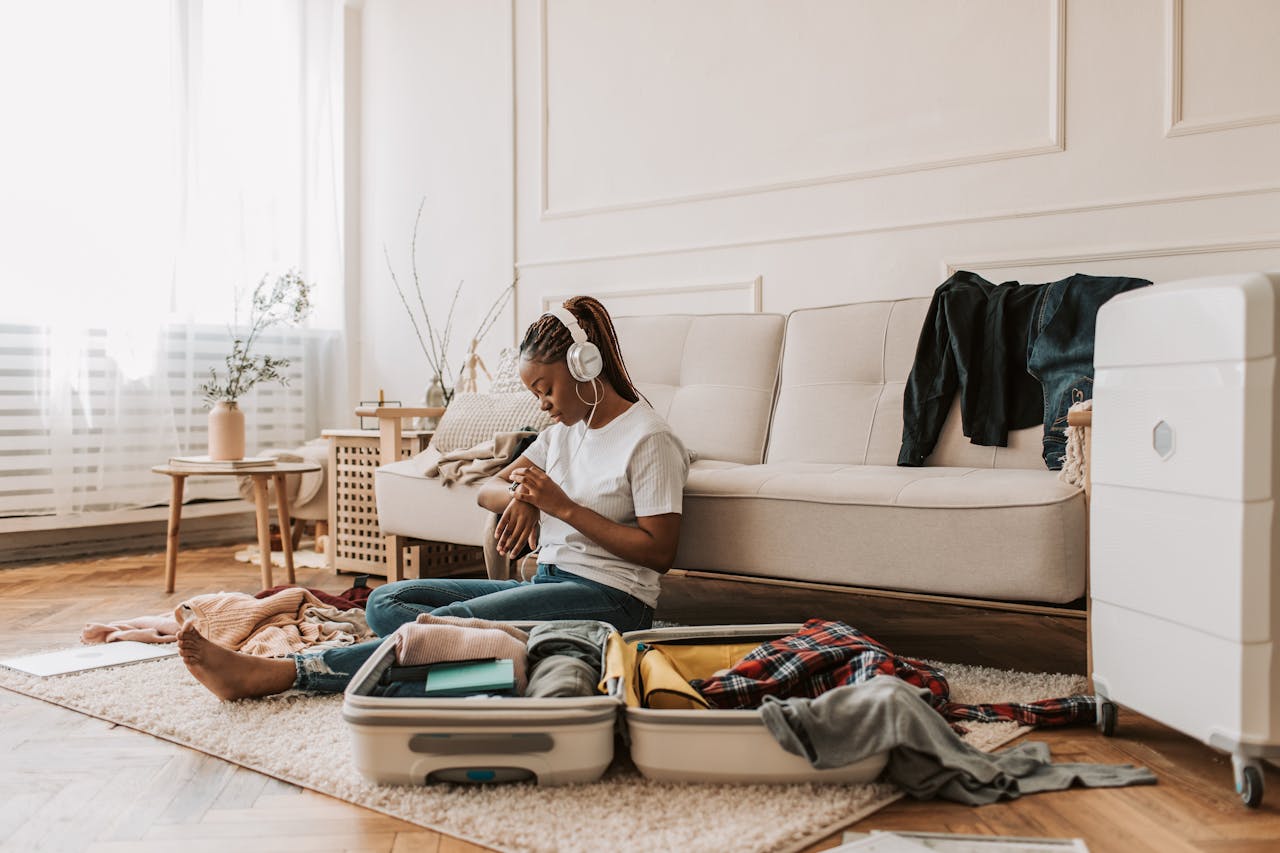
Packing light is not only more convenient but can also save you money. Avoid extra baggage fees by packing only the essentials and using a carry-on-sized backpack. Think about versatility when choosing clothing, and bring items that can be mixed and matched to suit different occasions and weather conditions.
Be sure to pack any necessary gear, such as a reusable water bottle, power bank, and a lightweight rain jacket. Having these items with you will save you money on purchasing them while traveling. Packing smart also means leaving space for souvenirs or extra items you might pick up along the way.
Work or Volunteer Abroad
If you’re looking to extend your backpacking journey while earning money or gaining new experiences, consider working or volunteering abroad. Many backpackers work in hostels, bars, or restaurants in exchange for free accommodation and meals. There are also opportunities to volunteer with organizations that provide room and board in exchange for work.
This not only helps you save money but also allows you to immerse yourself in local cultures and make meaningful connections. Websites like Workaway, WWOOF, and HelpX offer opportunities for travelers to find volunteer or work placements worldwide.
Be Flexible and Spontaneous
Flexibility is key when traveling on a budget. Sometimes, unexpected opportunities arise, like last-minute discounts on flights or a chance to visit a lesser-known destination. Being open to changing your plans can help you find cheaper options and make the most of your trip.
For example, if you find a low-cost ticket to a nearby city, consider changing your itinerary and exploring that area instead. Spontaneity can lead to memorable experiences and new adventures that you may not have planned initially.
Final Words
Planning the perfect backpacking journey on a budget is all about making smart choices, staying flexible, and embracing local experiences. By setting a realistic budget, traveling during off-peak times, choosing budget-friendly accommodations, and taking advantage of free activities, you can enjoy an unforgettable backpacking adventure without overspending. With a little preparation and creativity, your journey can be just as enriching and exciting without the need for a lavish budget.